

Alocasia Care Tips
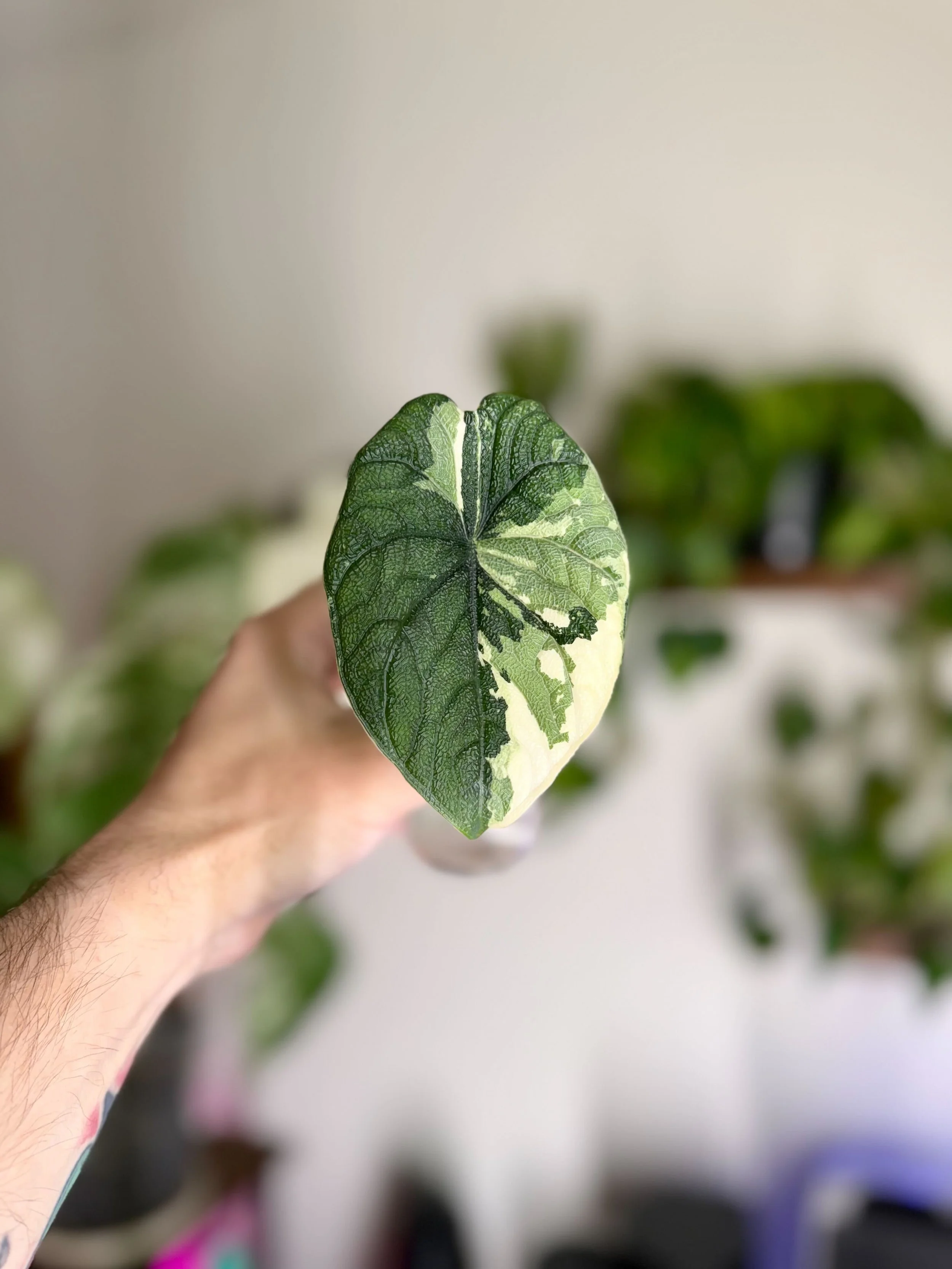
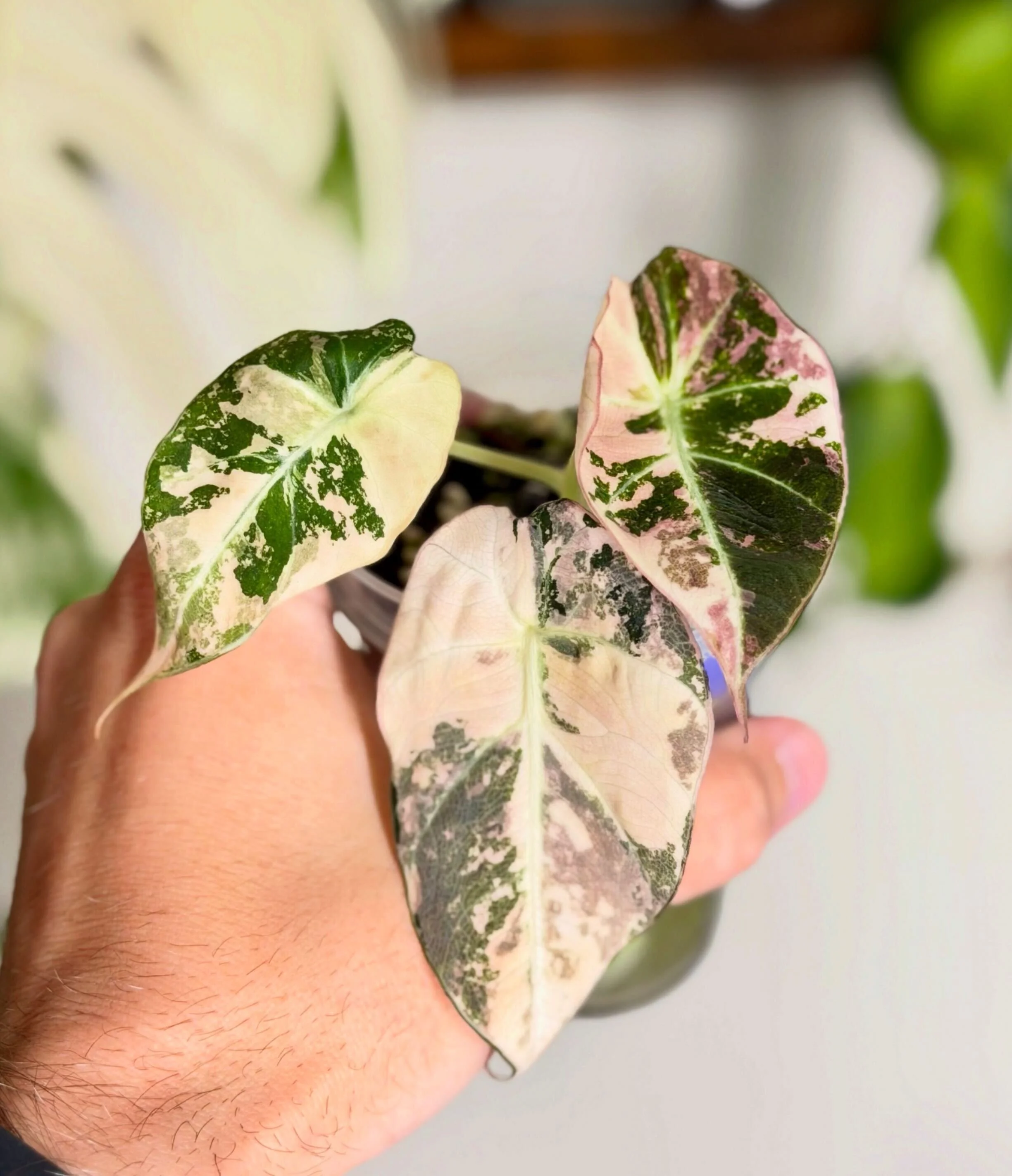
Caring for rare Alocasia can be a bit finicky, but once you dial in their environment, they thrive. Here are solid, practical care tips:
Light
Bright, indirect light is ideal
Avoid direct sun (can scorch leaves), but too little light = slow growth and smaller leaves
Watering
Keep soil lightly moist, not soggy
Let the top 1–2 inches dry out before watering again
They’re sensitive to overwatering → root rot is common
Self watering pots can help eliminate the guessing work
Humidity
High humidity is key (60–80%+)
Use a humidifier, pebble tray, or keep near other plants
Low humidity = crispy edges and stalled growth
Temperature
Prefer warm conditions: 65–85°F (18–29°C)
Avoid cold drafts and sudden temp drops
Soil
Use a chunky, well-draining mix or a semi-hydro set up
Ideal blend: potting soil + orchid bark + perlite (or pumice) OR perlite and stratum
Fertilizer
Feed lightly during growing season (spring/summer)
Use a balanced liquid fertilizer every 2–4 weeks
Cut back in fall/winter
Dormancy
Some Alocasia go dormant in cooler months
If leaves die back, reduce watering and wait—it can regrow from the corm
Pot & Roots
Prefer slightly snug pots
Repot only when rootbound
Check roots occasionally—healthy roots are firm and light-colored
Pests
Watch for spider mites, thrips, and mealybugs
Inspect undersides of leaves regularly
Treat early with neem oil or insecticidal soap
Leaf Care
Wipe leaves occasionally to keep pores clear
Helps with photosynthesis and prevents pests
If you're growing especially rare or variegated types (like Alocasia Frydek variegated), they’re even more sensitive—mainly needing more light and extra humidity to maintain that variegation.