

Anthurium Care Tips
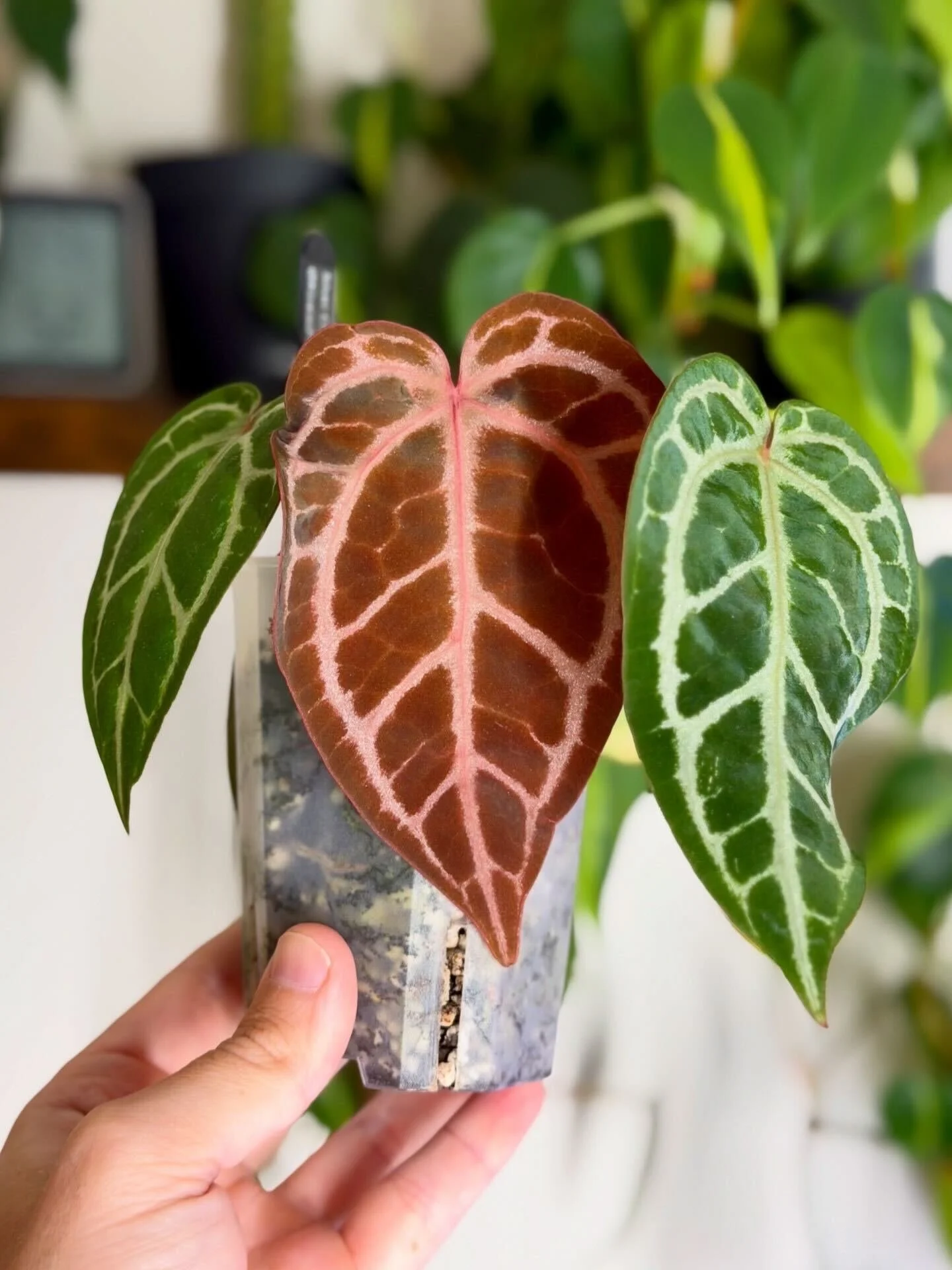
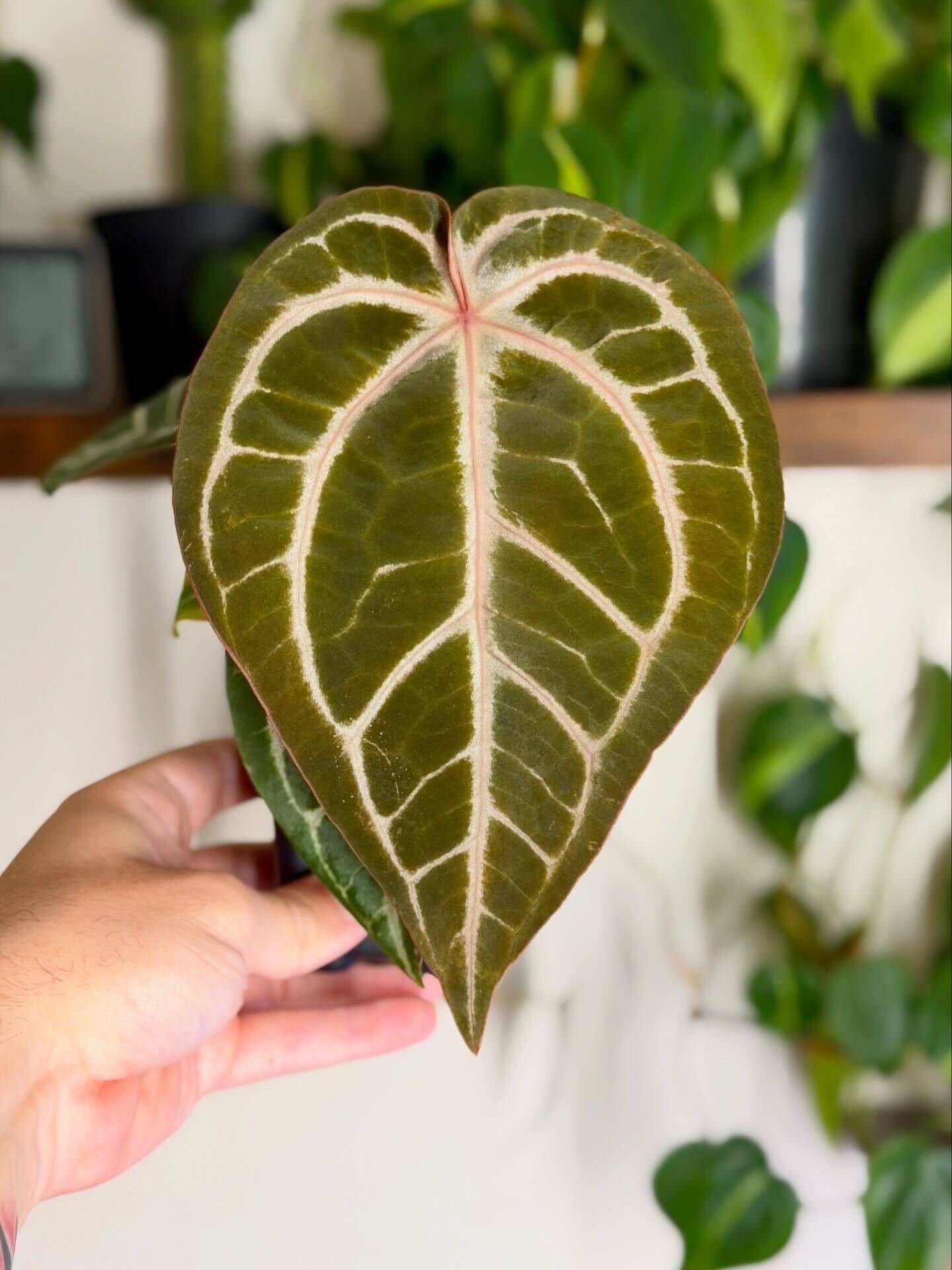
Rare Anthuriums (like warocqueanum, crystallinum, regale, etc.) are stunning but definitely more particular. Here’s a clean, practical care guide:
Light
Bright, indirect light
No direct sun—leaves burn easily, especially velvety types
Too little light = slow growth and smaller leaves
Watering
Keep lightly moist, never soggy
Let top layer of soil dry slightly before watering
Very sensitive to overwatering → root rot happens fast
Humidity
High humidity is crucial (70–90% ideal)
Low humidity causes crispy edges and poor leaf development
Humidifier or enclosed cabinet setup works best
Temperature
Thrive in warm, stable temps: 65–80°F (18–27°C)
Avoid drafts, cold windows, and temp swings
Soil / Substrate
Extremely airy, well-draining mix
Common mix: orchid bark + perlite + sphagnum moss + charcoal
Roots need oxygen—dense soil will kill them
Water Quality
Prefer filtered, distilled, or rainwater
Sensitive to minerals and salts in tap water
Fertilizer
Light feeding during growth (spring/summer)
Diluted balanced fertilizer every 2–4 weeks
Too much fertilizer can burn roots
Airflow
Good airflow is important (especially in high humidity setups)
Helps prevent fungal issues and root rot
Potting
Use pots with excellent drainage
Many growers prefer clear pots to monitor roots
Repot when roots outgrow container or medium breaks down
Growth Habit
Slower growers, especially velvety species
New leaves can take weeks to fully harden off
Pests
Watch for spider mites, thrips, and fungus gnats
Inspect regularly—velvet leaves attract pests
Leaf Care
Avoid touching new leaves while unfurling—they’re delicate
Don’t mist directly on velvety leaves (can cause spotting)
Acclimation
Rare anthuriums can struggle with sudden environment changes
Gradually adjust humidity/light when moving locations